
Guides
How to choose a permanent makeup artist
Permanent makeup sits on your face for years, so the artist matters more than almost anything else. Here is how to tell a genuinely skilled one from the rest, and the questions worth asking before you book.
At a glance
What to look for
Why the artist matters more than the price
Permanent makeup is not a product you buy, it is a skill you trust someone with. The same treatment in two different pairs of hands can heal beautifully or leave you saving for a correction. Because the result lives on your face for years, choosing the right artist is the most important decision you will make, far more than shaving a few pounds off the price.
Look at training and experience
A good artist never stops learning. Techniques, pigments and machines evolve constantly, and the best artists invest heavily in keeping their skills current. Ask how long someone has been working, who they have trained with, and whether they hold recognised accreditation.
For context, Megan has worked in permanent makeup since 2018 and has invested over twenty thousand pounds training with leading artists around the world. That kind of commitment is what separates a true specialist from someone who took a single weekend course.
Check the method, not just the photos
Beautiful photos are easy to find. What matters underneath is how the work is applied. Microblading uses a hand-held blade to cut strokes into the skin, while machine work, the technique Megan uses, deposits pigment far more gently. Machine work tends to heal better, hold its colour longer and cause less trauma to the skin, which means less risk of scarring. Unlike microblading, it also suits all skin types, including oilier skin. If an artist only offers microblading, that tells you something about the breadth of their training.
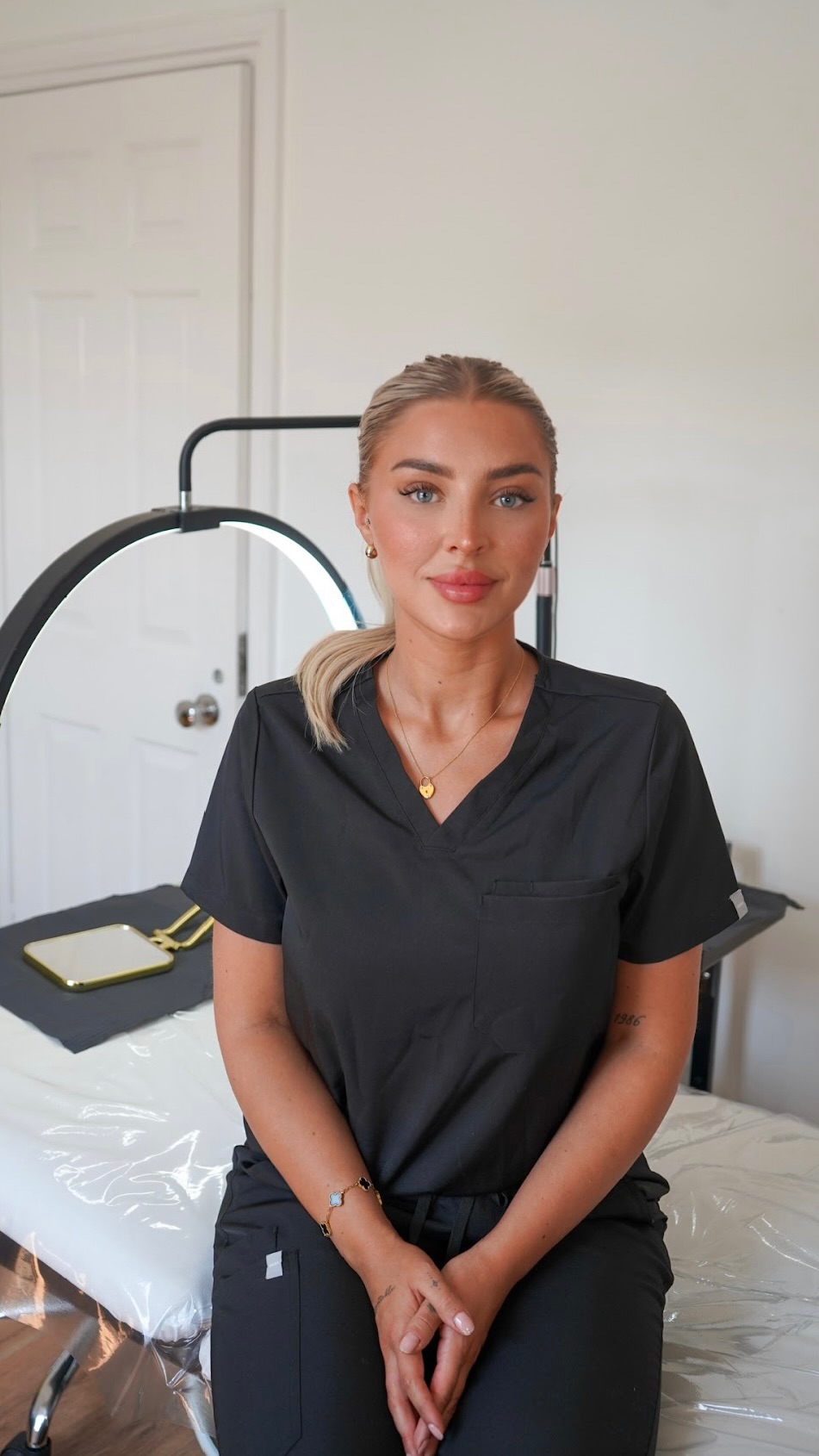
The right artist listens first and designs around you, never around a template.
Ask to see healed results
Fresh, just-finished photos always look crisp. Healed photos, taken weeks later once the skin has settled, are where the truth is. A confident artist will happily show you healed work, because that is the result you will actually live with. If a portfolio is all day-of shots, ask why.
Make sure they can correct, not just create
An artist who also corrects and removes other people's work has a deeper understanding of pigment than one who only creates fresh sets. They know how colours fade, how to neutralise a tone that has gone wrong, and when removal is the wiser route. Correction and removal is one of Megan's specialisms, and that experience feeds directly into how cleanly her new work is designed.
Trust the consultation
The right artist listens before they pick up a machine. A proper consultation is about understanding your features, your routine and what you actually want, then designing around you rather than applying a house style. Megan takes a deliberately person-centred approach, and her consultations are free, in person or by video, with no obligation to book.
Red flags to watch for
A few things should give you pause:
- Prices that seem too good to be true, often a sign of minimal training or a hidden charge for the essential follow-up session.
- A portfolio with no healed results, only fresh, day-of photos.
- Microblading offered as the answer for every skin type, including oily skin.
- No consultation, no aftercare guidance, and no interest in your medical history.
- Pressure to book on the spot rather than space to decide.
Questions
Choosing an artist, answered
Anything else, just message Megan and ask.
What qualifications should a permanent makeup artist have?
Recognised accreditation and proper, ongoing training. Ask how long they have worked and who they have trained with. Longevity and continued upskilling matter more than any single certificate.
Is machine work or microblading better?
Machine work generally heals better, lasts longer and is gentler on the skin, with less risk of scarring, and it suits all skin types. Microblading uses a blade and does not suit everyone. Megan works exclusively by machine.
How can I tell if an artist's work is good?
Ask to see healed results rather than fresh, day-of photos. Healed work, settled over several weeks, shows what you will really be left with.
Should I have a consultation before booking?
It is always worth it. A consultation lets you gauge whether the artist listens and designs around you. At High Brow Society it is free and not required before booking, simply there if you want it.
What are the biggest red flags?
Suspiciously low prices, a portfolio of only fresh photos, microblading pushed for every skin type, no aftercare or medical questions, and pressure to commit on the spot.
Begin
Let's design something
that looks like you
Message Megan on WhatsApp to book your free consultation, or ask anything you are unsure about.